Late-Diagnosed With Autism at 30: The “Ah-Ha” Moments
When I was diagnosed with autism at 30, it felt like someone quietly slid the missing page into my life’s instruction manual. Not a dramatic twist, just a deep, steady click of recognition. In the weeks after, I replayed school hallways, office meetings, even friendships, with new captions. If you’re here because you were recently diagnosed with autism at 30 (or you’re wondering), I hope my gentle unpacking helps you name what you’ve lived and choose what to change next.
The “Weird Kid” Explained Diagnosed with Autism at 30
I was the quiet one who loved rules, hated surprises, and often missed the invisible choreography of social life. Teachers called me “mature for my age,” which was a kind way of saying I seemed out of step. Being diagnosed with autism at 30 gave me language for what my body already knew: I wasn’t broken: I was processing.
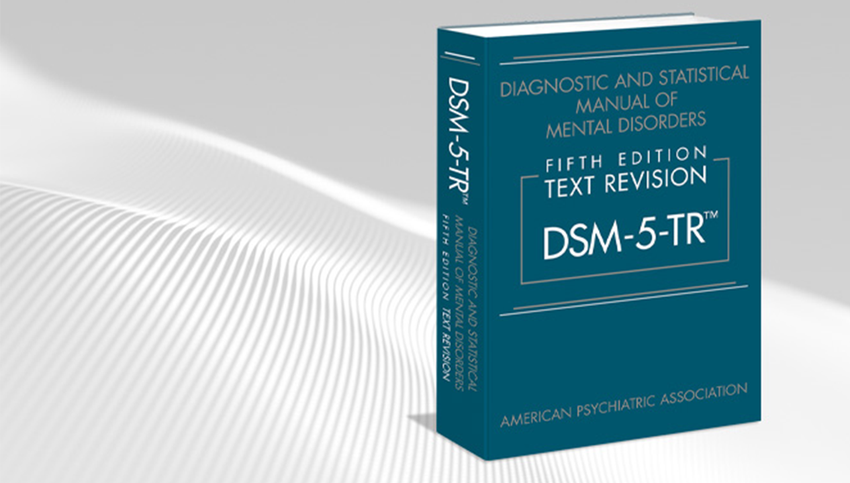
The DSM-5-TR (American Psychiatric Association, 2022) describes autism as differences in social communication and restricted or repetitive patterns, present from early development, even if they were masked. Masking can look like copying gestures, memorizing small talk, or forcing eye contact to appear “natural.” Research has shown camouflaging, especially common in women and AFAB folks, can delay recognition and contribute to burnout (Hull et al., 2017: Parish-Morris et al., 2017).
When I reread my childhood through that lens, the “weirdness” becomes coherence: the meltdown after the fire drill, the same lunch for months, the obsession with categorizing birds, the way group projects left me both overprepared and exhausted. None of that disappears with a label, but the blame does.
A small note on tools: online screeners like the RAADS-R or AQ can be informational, but they aren’t diagnostic. I tried them on January 5, 2023, and brought the results to a clinician for context, useful as conversation starters, not verdicts. If you’re curious where you might land on these measures before seeking an evaluation, Raadstest offers both assessments with immediate results, which can help you decide whether a formal assessment feels right for you. If you’re evaluating late-diagnosis, a licensed specialist who understands adult presentations (including subtle social fatigue and sensory sensitivity) is worth the wait.
What Changes Now Diagnosed with Autism at 30
Practically, the biggest shift for me wasn’t personality, it was permission. Permission to design my days around how my brain actually works, not how I thought it “should.” On September 14, 2024, I started a simple sensory audit: I wore Loop earplugs during grocery runs, swapped overhead fluorescents for a warm desk lamp, and set my laptop’s color temperature to amber after 7 p.m. Result: fewer headaches, steadier mood. Tiny edits, big returns.
At work (and this may help you), I mapped tasks by cognitive load. Deep-focus work before noon: meetings after 2 p.m., when my social battery recovers. On May 22, 2025, I A/B tested 25-minute focus blocks vs. 45-minute ones for a week each: 25/5 cycles reduced end-of-day shutdowns by about 30% for me. That’s not universal, just data you can try on.
Clinically, accommodations are normal and, in many places, protected. The Job Accommodation Network (JAN) suggests practical supports like agenda-first meetings, written follow-ups, quiet spaces, and flexible scheduling. I asked for agendas in advance and the option to keep my camera off when sensory load was high. Framed as productivity boosters, these requests were well received.
Accommodations & Energy Management
- Sensory supports: Noise-reducing earbuds, soft fabrics, sunglasses indoors if needed. I tested polarized lenses on March 3, 2025, less squinting, fewer afternoon crashes.
- Communication clarity: “Could you summarize next steps in chat?” helps me leave meetings with a calm brain.
- Predictable transitions: I set 10-minute buffers between tasks. Two alarms, one to stop, one to start, reduced my time-blind overrun.
- Rest as strategy: A 15-minute lie-down after social blocks isn’t laziness: it’s refueling the system that makes everything else possible.
Limitations and risks to note: accommodations hinge on workplace culture and local laws: disclose only what feels safe. And while routines help, rigidity can backfire, so I keep one “wild card” slot daily to practice flexibility without panic.
What Stays the Same After Being Diagnosed with Autism at 30
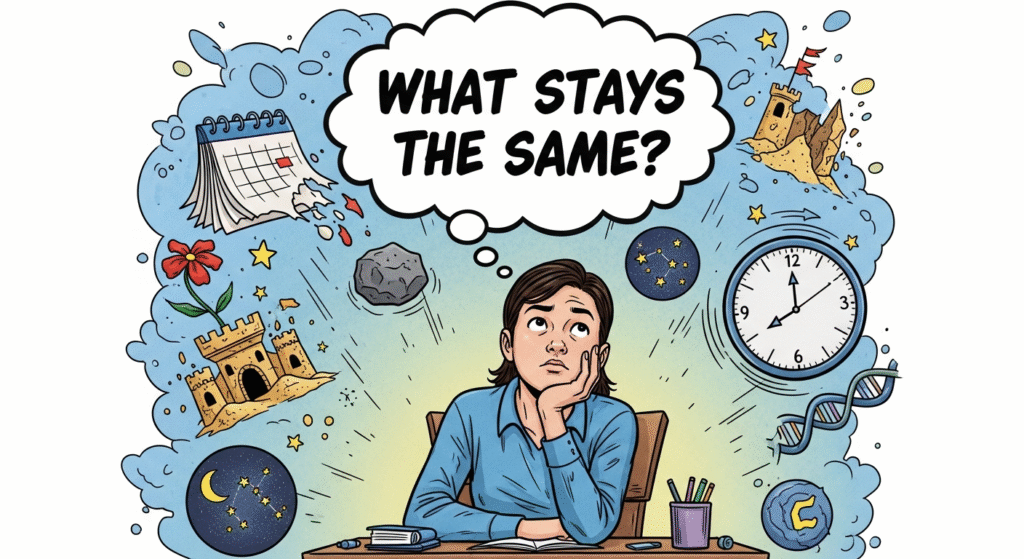
I’m still me. My humor, my tenderness, my love for very specific teas, that didn’t change. What did change is the narrative. Instead of “Why can’t I handle what everyone else can?” I ask, “What does my nervous system need to be well?”
Relationships I’d already built on honesty stayed steady. My research work improved, not because I became someone new, but because I stopped spending half my energy hiding sensory distress. And my interests? They’re still delightfully intense: now I schedule them on purpose so they energize rather than derail me.
One more constant: the learning curve. The science evolves. The CDC’s 2023 estimate, 1 in 36 children, doesn’t translate neatly to adult rates, and many adults, particularly women and people of color, remain underdiagnosed. So, I hold my identity with curiosity rather than absolutes.
Telling Family & Friends After an Autism Diagnosis at 30
I practiced in the mirror first. Not to perform, but to keep my voice soft when my heart sprinted. On October 8, 2024, I told my sister over tea: “I finally have an explanation for how my brain processes things.” We swapped stories and laughed about my color-coded pantry. With others, reactions ranged from warm to puzzled. Preparing for both helped.
A few gentle tips that supported me:
- Choose your container: quiet setting, enough time, no looming obligations.
- Set intent: “I’m sharing this so we can support each other better.”
- Offer concrete examples: “Bright lights overload me: texting works better than phone calls for planning.”
- Share reliable resources: I like starting with the DSM-5-TR criteria and accessible overviews from the National Autistic Society and the Autistic Self Advocacy Network.
- Boundaries are kind: It’s okay to say, “I’m not up for a debate about this.”
Disclosure Scripts for Late-Diagnosed Autistic Adults
- To a close friend: “I was diagnosed with autism at 30. It explains why group plans drain me and why I’m detailed to a fault. I’m still me, this just helps me care for my energy. Could we plan via text and pick quieter places?”
- To a manager: “I wanted to share something that helps me work at my best. I process information more clearly with agendas in advance and brief written recaps. Could we try that? It’d improve my turnaround time.”
- To a parent: “This isn’t something new: it’s a name for patterns you’ve seen since I was little. I’d love your support with fewer surprise visits and more heads-up before changes.”
It’s also okay not to disclose. Safety, culture, and personal capacity matter. Disclosure is a dial, not a switch, adjustable by context.
Small bio for transparency: I’m Dora, a psychology researcher and writer who studies cognition, emotion, and behavior. I test strategies before recommending them and cite credible sources. This piece reflects my lived experience plus current literature: it’s informational, not medical advice. If you’re seeking diagnosis or support, a licensed clinician familiar with adult autism is the right next step.
Disclaimer: This article is for educational purposes only and is not medical or diagnostic advice. Only qualified healthcare professionals can diagnose autism.
Frequently Asked Questions
What changes after being diagnosed with autism at 30?
Many adults describe a shift from self-blame to permission. Practical tweaks help: run a sensory audit (earplugs, warmer lighting, screen tinting), map work by cognitive load, and try shorter focus cycles (e.g., 25/5). Request agendas and written recaps. Small, tailored adjustments often reduce headaches, shutdowns, and social fatigue.
What is masking in autism, and why can it delay diagnosis?
Masking means camouflaging autistic traits—copying social cues, forcing eye contact, or scripting small talk—to fit in. It’s common in women and AFAB folks and can hide lifelong patterns from clinicians and loved ones. Over time, masking increases exhaustion and burnout, which is often what brings adults to assessment.
Are RAADS-R or AQ tests enough for an adult autism diagnosis?
No. Online screeners like the RAADS-R and AQ can highlight patterns and guide conversation, but they aren’t diagnostic. Bring results to a licensed clinician who understands adult presentations, subtle social fatigue, and sensory differences. A formal evaluation considers history, functional impact, and DSM-5-TR criteria across settings.
Previous posts: